
– english below –
Irina Gheorghe
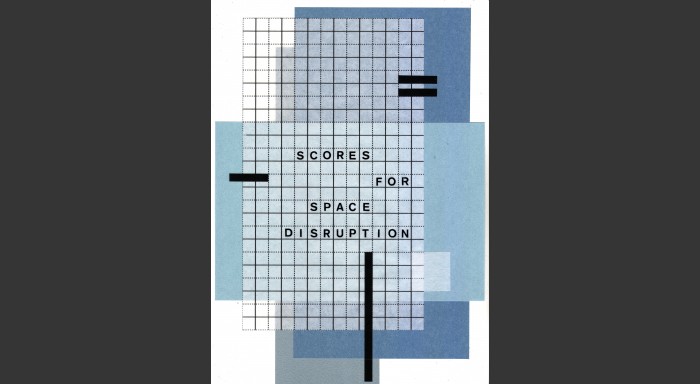
Dabarties pabaigos partitūros
2026.06.18 – 2026.07.25
Parodos atidarymas birželio 18 d. (ketvirtadienį) 18 val.
VDA Parodų salės „Titanikas”, antras aukštas, Maironio g. 3, Vilnius
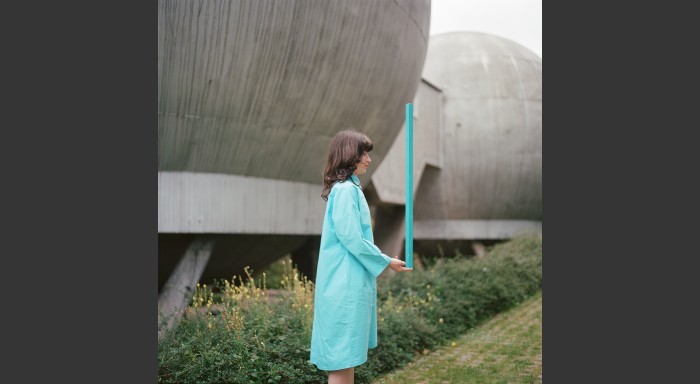
Dabarties pabaigos partitūrose įvykis, kurį turėtume patirti čia ir dabar, sutrikdomas kažko, ko nėra. Gali būti, kad tam tikri situacijos aspektai yra nesuprantami, nes jie nematomi, slepiami arba staiga išnyko. Taip pat gali būti, kad tai, kas vyksta, yra visiškai aišku, tačiau erdvė ir laikas nėra atskleidžiami, todėl susidaro įspūdis, kad nežinome, kur esame. Bet kuriuo atveju siekiama sukurti atotrūkį tarp to, kaip suvokiame realų įvykį, ir to, kas nėra jo dalis. Erdvė atrodo pažįstama, tačiau pamažu tampa nepažįstama. Atrodo, kad veiksmas vyksta dabartyje, tačiau įsižiūrėjus atidžiau jis yra įkomponuotas į tolimos ateities, tolimos praeities arba dar nematerializuoto hipotetinio laiko tėkmę. Jūs, iki tam tikro taško, esate ta(s), kuo manėte esanti(ąs), kol suprantate, kad iš tiesų į jus kreipiamasi kaip į ką nors kitą. Objektai puikiai atpažįstami tol, kol vieną akimirką tampa nebeatpažįstami. Medinė lazda visiškai aiški savo reikšme (ar nereikšmingumu), tačiau postapokaliptiniame scenarijuje ji gali tapti vieninteliu po ranka esančiu ginklu.
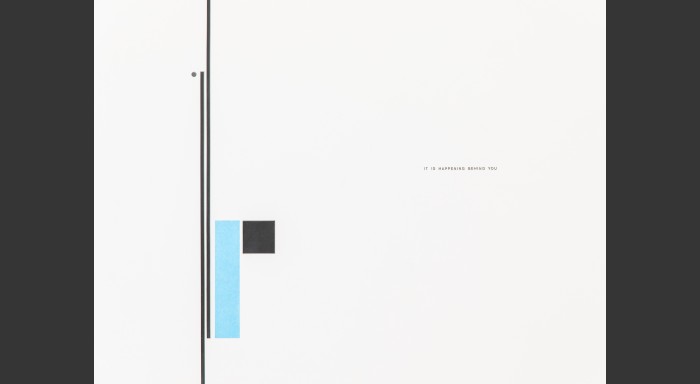
Dabarties pabaigos partitūros – tai kūrinių serija, kurioje siekiama susieti tokias skirtingas laiko dimensijas, erdves ir buvimo būdus. Jų paskirtis – sujungti nesuderinamas laiko linijas ir užfiksuoti tai, ką teorinės fizikos atstovas Carlo Rovelli savo knygoje Laiko tvarka(2018) vadina „dabarties pabaiga“: žemiškąjį „dabar“, kuris platesniame kosminiame kontekste neturi jokios reikšmės. Iš pradžių sumanytos kaip pagalbinė priemonė performansams – meninei išraiškos formai, labiausiai susijusiai su buvimo ir dabarties sąvokomis, – šios partitūros iš tiesų yra vizualūs ir konceptualūs užrašai. Jie gali tapti atspirties tašku kitoms meninėms praktikoms, iš įprasto nedidelio puslapio formato išsiplėsdami į kitas medijas ir dydžius: trimatę instaliaciją, nejudantį ar judantį vaizdą, garsą.
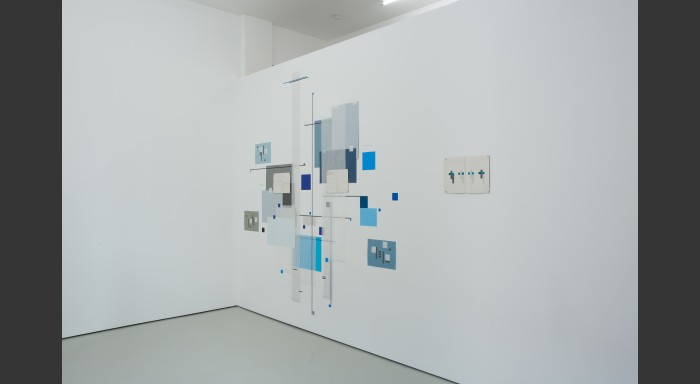
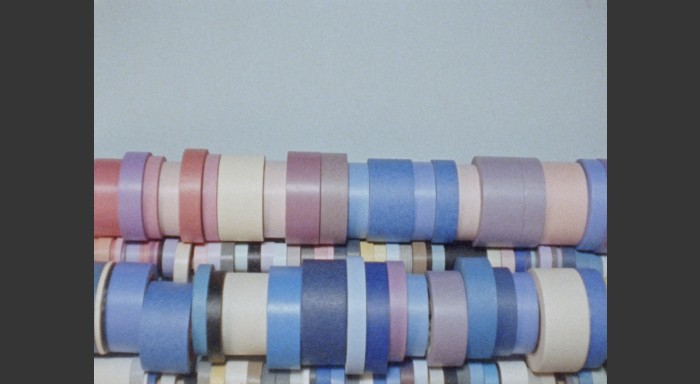
Parodoje eksponuojami kūriniai gali būti laikomi šios įvairialypės partitūros sampratos dalimi. Instaliacija, kurią sudaro serija naujų 16 mm trumpametražių filmų ir specialiai „Titaniko“ erdvei, reaguojant į jos architektūrą, sukurta intervencija ant grindų, – tai erdvėje išdidinta notacija. Ant grindų prilipdytų juostų vizualinė kalba lydi lankytojus – judėjimas erdvėje virsta vaikščiojimo performansu. Erdvėje išsibarsčiusios trumpos tekstinės instrukcijos siūlo skirtingus scenarijus, apsilankymą galerijoje paversdamos akimirka iš neįvardyto mokslinės fantastikos pasakojimo. Filmų serija į projektą įneša naują elementą, papildydama ankstesnėse jo versijose vyravusį dėmesį piešiniui, instaliacijoms ir fotografijai, bei tyrinėja, kaip judantis vaizdas gali tapti partitūra. Užuot fiksavę kažką, kas įvyko tam tikrą akimirką, veiksmai filmuose gali būti suprantami kaip tolesnių veiksmų gairės. Nėra nurodyta, kokiame kontekste jie vyksta: ar jis realus, ar išgalvotas, šiuolaikinis ar istorinis, žemiškas ar nežemiškas, priklausantis tolimai praeičiai ar tolimai ateičiai. Viename iš filmų matomas didelės žalios popierinės struktūros laipsniškas augimas, po to – subliuškimas, yra ne tik performanso fragmento dokumentacija, bet ir savotiška diagrama, galinti atspindėti kitų reiškinių chronologiją arba tapti gairėmis kitokio pobūdžio performatyviems veiksmams ateityje. Kituose filmuose kai kurie grindų instaliacijos grafiniai elementai arba medžiagos tampa trimačiais ir, atrodo, reaguoja į nematomas partitūras: užpildo erdvę, juda tam tikra kryptimi, sukuria choreografiją, sugriauna choreografiją, dingsta. Vedę žmones-atlikėjus per realias erdves, proto objektai tampa fiziniais ir patys leidžiasi vadovaujami.
Paroda yra Irinos Gheorghe podoktorantūros projekto „Dabarties pabaigos partitūros: notacijų sistemos performatyviuosiuose bei vizualiuosiuose menuose ir jų santykis su skirtingais laikiškumais“ dalis. Projektas vykdomas Vilniaus dailės akademijoje 2024–2026 m. ir finansuojamas Lietuvos mokslo tarybos (LMTLT), sutarties Nr. S-PD-24-128.
Podoktorantūros stažuotės vadovė: dr. Lina Michelkevičė
Irina Gheorghe
Scores for the End of the Present
2026.06.19 – 2026.07.25
Opening June 18 at 6 pm
VDA exhibition halls TITANIKAS, second floor, Maironio g. 3, Vilnius
In the Scores for the End of the Present, an event that is meant to be experienced in the here and now is disrupted by something absent. It might be that aspects of the situation are inaccessible because they are invisible, kept hidden or have suddenly disappeared. It might also be that what is happening is entirely accessible, but the space and time in which it is taking place is not revealed, thus producing the effect of not knowing where one finds oneself. Either way, a disjunction is intended between one’s perception of an actual occurrence and something that is not part of it. A space looks familiar, but it gradually becomes unfamiliar. Things appear to be happening in the current moment, but on close inspection they are placed in the temporality of the distant future, remote past, or a not yet materialised hypothetical time. You are, up to a certain point, who you thought you were, until you realise that, in fact, you are addressed as someone or something else. Objects are perfectly recognisable, until they are not. A wooden stick is unambiguous in its (lack of) significance, but in a postapocalyptic scenario it might become the only weapon at hand.
The Scores for the End of the Present are a series of works that aim to engage such divergent temporalities, spaces and presences.Their role is to incorporate incongruous timelines and notate what in his book The Order of Time (2018) theoretical physicist Carlo Rovelli calls “the end of the present”: a terrestrial “now” that means nothing in wider cosmic terms. Initially conceived to support performance work, the artistic medium most attached to notions of presence and the present, these Scores are in fact visual and conceptual notations that can provide the starting point for other types of artistic practices, expanding from the usual, small page format into other media and sizes: a three dimensional installation, still or moving image, sound.
The works in the exhibition can be seen as part of this heterogenous understanding of a score. Consisting of a series of new 16mm short films and a site-specific floor intervention, realised in direct response to the architecture of the Titanikas space, the installation presents an enlarged notation in the form of an environment. The visitors are guided through the visual language of the tape on the floor, which turns their navigation of the space into a walking performance. The small text instructions scattered through the room suggest alternative scenarios, reframing the visit to the gallery as a moment in an unspecified science fiction narrative. The film series brings a new element in the project, complementing the focus on drawing, installation and photography in its previous iterations, and explores how the moving image can become a score. Rather than a record of something that happened in a particular moment, the actions in the films can be seen as protocols for further action. It is not specified, however, to what context they are part of: whether it is real or fictional, contemporary or historical, terrestrial or extraterrestrial, belonging to the distant past or the distant future. The gradual expansion of a large green paper structure in one of the films, followed by its subsequent downfall, is not only a documentation of a performance fragment, it is also a diagram that might provide the timeline of other phenomena, or a guidance for future performative actions of another nature. In other films, some of the graphic components of the floor installation, or the materials that make it up, present themselves as three dimensional and appear to respond to invisible scores: take the stage, move in a specific direction, create a choreography, destroy the choreography, leave. Having guided human performers through real spaces, the objects of the mind become physical and start to respond to guidance themselves.
The exhibition is part of Irina Gheorghe’s post-doctoral project “Scores for the End of the Present: Notation Systems in Performative and Visual Arts and Their Relationship to Different Temporalities”, carried out at the Vilnius Academy of Arts between 2024 and 2026 and funded by the Research Council of Lithuania (LMTLT), agreement No. S-PD-24-128.
Supervisor: Dr. Lina Michelkevičė